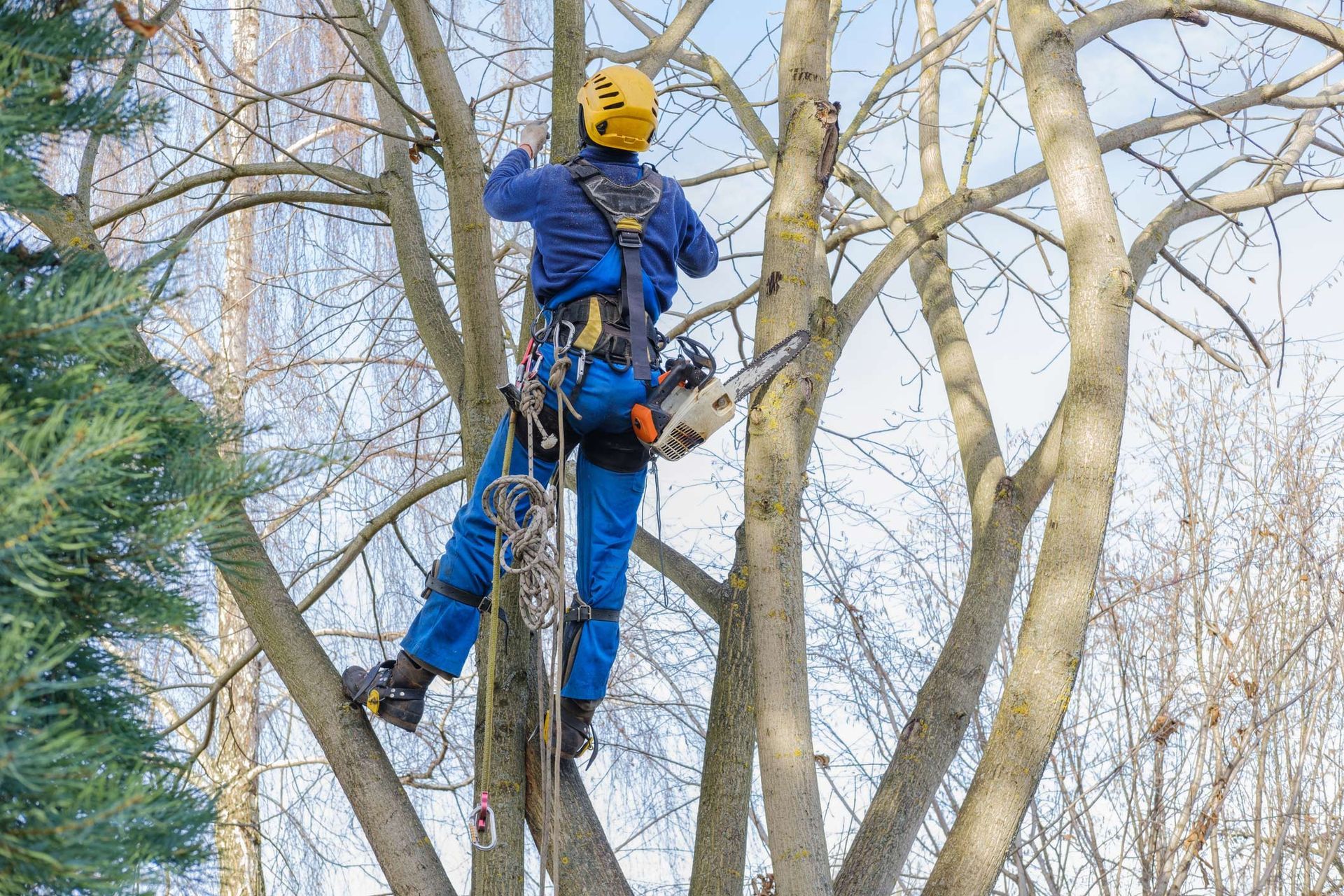
How Often Should Trees Be Trimmed? A Walnut Creek Tree Services Calendar
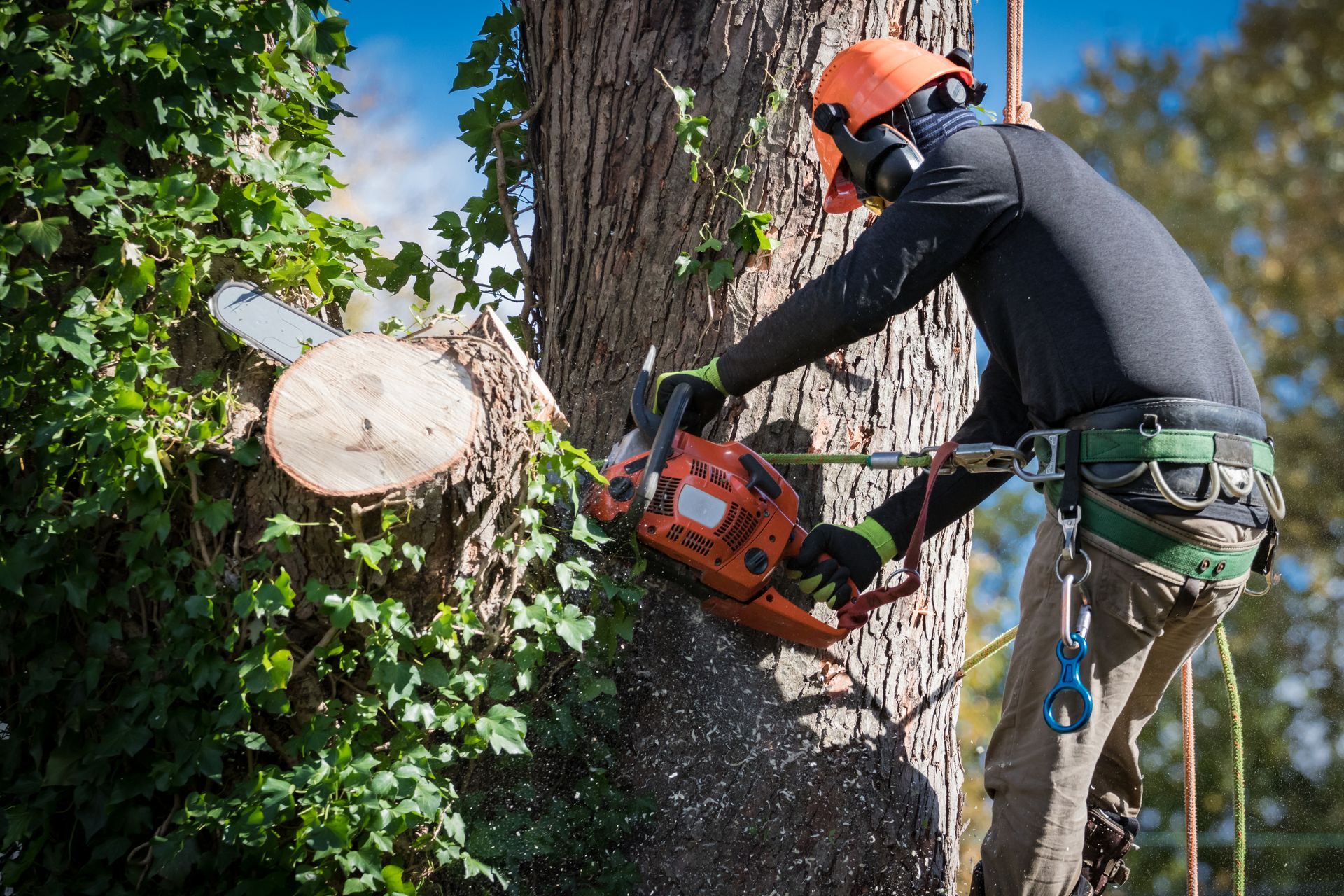
Good homeowners in Walnut Creek, CA, often wonder when and how often to schedule tree services. The answer depends on tree species, maturity, and the seasonal patterns of Contra Costa County's Mediterranean climate. Getting the timing right can mean the difference between thriving, long-lived trees and ones that become hazards or fall victim to disease.
How Often Do Trees Actually Need to Be Trimmed?
Most trees benefit from professional attention at least once a year. Mature shade trees may only need formal tree services every three to five years, while younger specimens typically do better on a two-to-three-year cycle. Fruit trees often require an annual trim to support healthy production. The species in your yard should drive your schedule, not a one-size-fits-all rule.
Walnut Creek homeowners tend to have a diverse mix: Valley Oaks, California Sycamores, fruit trees, ornamental flowering trees, and Monterey Pines are all common across neighborhoods from Walnut Heights to Saranap and the Woodlands. Each follows its own best-practice calendar.
What Makes Walnut Creek's Climate Different for Tree Care?
Walnut Creek's Mediterranean climate shapes how local trees grow and when they should be trimmed. Dry, hot summers and mild, wet winters mean tree biology here does not always match general national guides. Professional tree services in Walnut Creek, CA, account for this when scheduling work.
Valley Oaks enter summer dormancy to conserve water. The safe pruning window runs from July through October. Trimming oaks during wet, cool winter months can invite serious diseases like Sudden Oak Death, which has affected trees across the Bay Area and Contra Costa County.
California Sycamores respond best to pruning in fall after leaf drop or in early spring before sap flows. Once mature, a trim every three to five years keeps them in good shape. Light corrective cuts in summer may be done as needed between full sessions.
Monterey Pines are best trimmed between November and March. Dormant-season pruning minimizes stress, lowers bark beetle risk, and allows wounds to heal before warmer insect seasons arrive.
Fruit trees follow an annual schedule. January through mid-February is ideal for most varieties while fully dormant. This timing encourages strong spring growth and can improve fruit size and quality. Light summer maintenance between May and August can address water sprouts and improve canopy airflow.
A Month-by-Month Walnut Creek Tree Trimming Calendar
January through February: Schedule dormant pruning for deciduous trees, fruit trees, and Monterey Pines. One of the best times to bring in tree services for structural work on non-oak species.
March through April: Light corrective trimming on California Sycamores is still possible in early March before sap flows. Ornamental flowering trees, such as magnolias and flowering cherries, should be trimmed right after blooms fade to protect next year's flower buds.
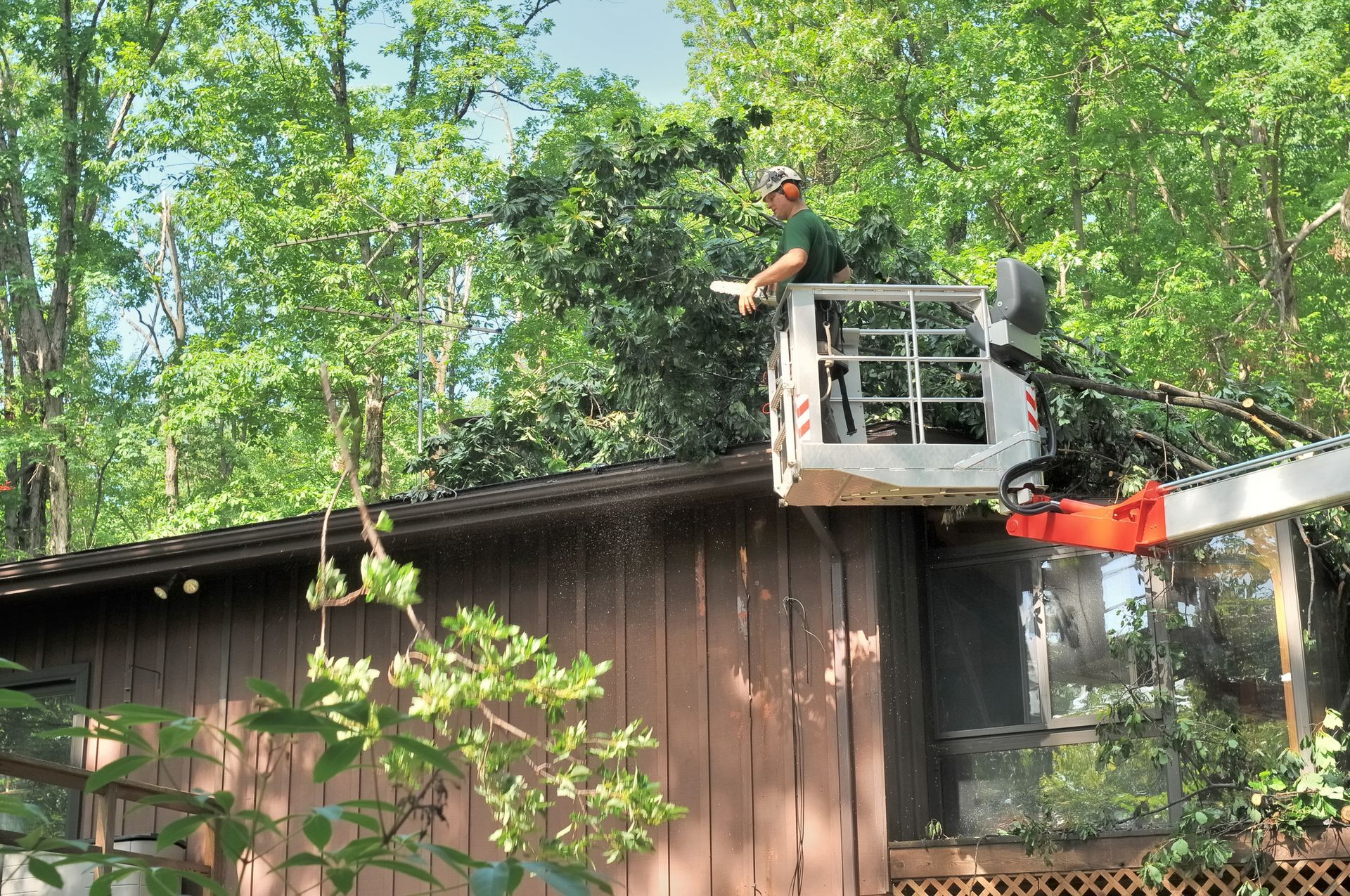
May through June: Avoid heavy pruning as active growth surges. Focus on safety concerns such as branches encroaching on structures or power lines. Light summer work on fruit trees can begin.
July through October: The critical window for native oaks. Trimming Valley Oaks and Blue Oaks during summer dormancy protects them from disease. A good time to evaluate trees before fall rains return and flag structural concerns heading into storm season.
November through December: Deciduous trees begin dropping leaves, making structural issues easier to spot. An excellent time to schedule dormant-season work for the coming year. Booking tree services before the busy winter season fills up ensures you get on the calendar early.
Signs You May Be Over- or Under-Pruning
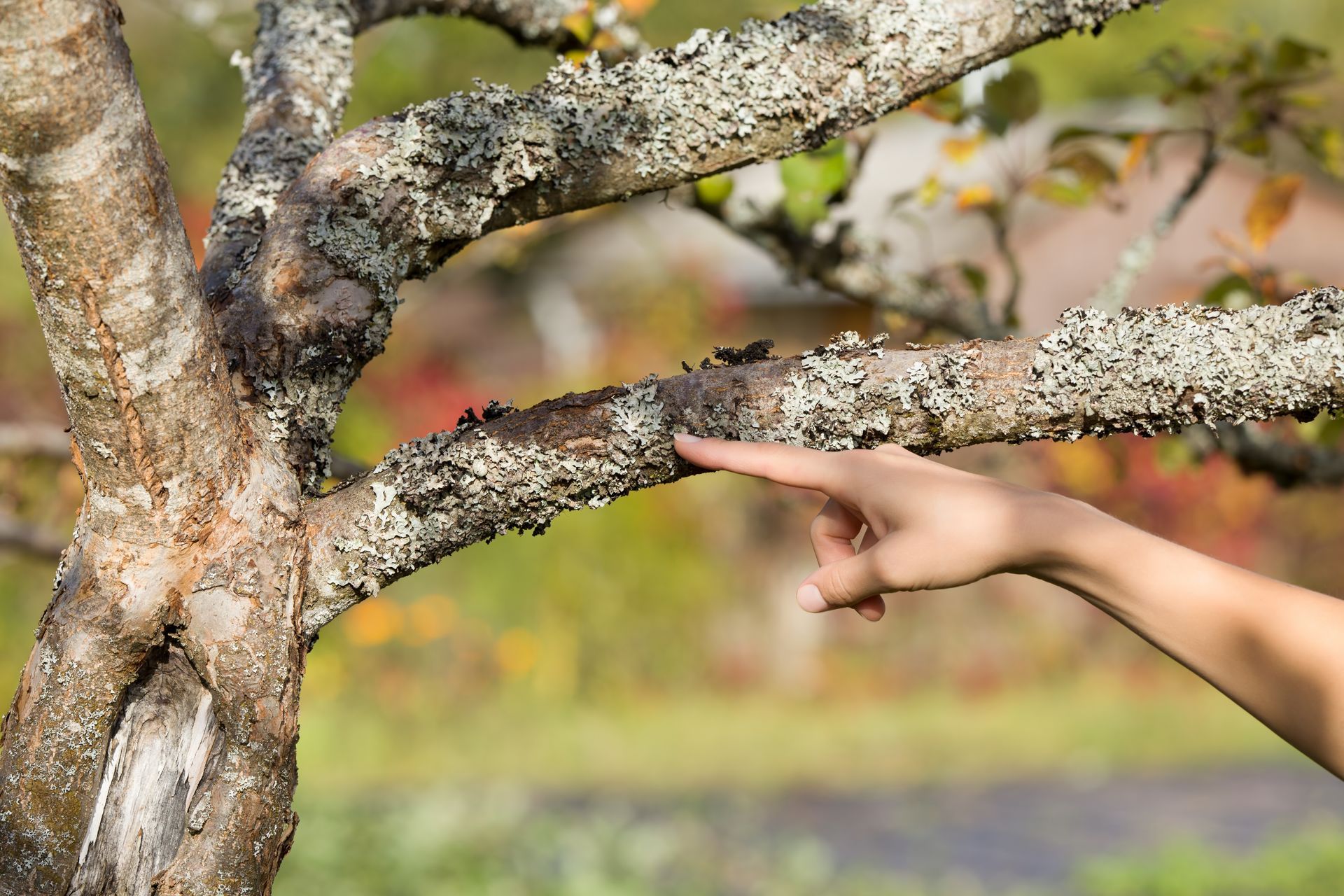
Removing more than about one-third of a tree's canopy at once can stress the plant and weaken its structure. Signs of over-pruning include excessive water-sprout growth, sunscald on exposed bark, and a thin, sparse canopy.
Under-pruning also carries real risks. Deadwood, crossing branches, and overcrowded canopies reduce airflow and can invite fungal issues. In Walnut Creek, overgrown branches near structures or hillside properties along Arroyo del Hambre can become serious liabilities during high winds and winter storms. A qualified arborist can spot these problems before they escalate.
How Often Should I Trim a Valley Oak in Walnut Creek?
Valley Oaks generally need minimal pruning. Most mature native oaks do well with light trimming every three to five years, focused on dead branches and safety concerns. Only trim them between July and October, during their natural summer dormancy, to reduce disease risk.
Can I Trim My Trees During a Dry California Summer?
Yes, and for some species it is the preferred time. Native oaks should only be trimmed from July through October. However, fruit trees and many ornamental species should be pruned during winter dormancy instead. Always match the timing to the species.
What Happens If I Prune My Trees at the Wrong Time of Year?
Improper timing can expose fresh cuts to pests and pathogens active during certain seasons. For oaks, winter pruning can invite Sudden Oak Death. For fruit trees, pruning at the wrong time may reduce next year's crop. A certified arborist familiar with Bay Area tree services can help you avoid these mistakes.
Plan Your Tree Care Schedule With Local Experts
Tree Care of California, serving Walnut Creek, CA, provides tree trimming, pruning, removal, and stump grinding for residential and commercial properties throughout the area. Call (925) 689-4446 to request a free estimate and put together a trimming plan that fits your specific trees and schedule. You can also find and review the business at Tree Care of California on Google.